

Wound care education center
Wound Guide
Designed to simplify the selection of appropriate dressings
Different dressings
Different wound types
Every wound is different and moves through a variety of stages during healing. A responsive approach adapts treatment throughout that journey. This guide supports the selection of a suitable dressing at every stage.
Wound Guide
What is a Necrotic Wound?
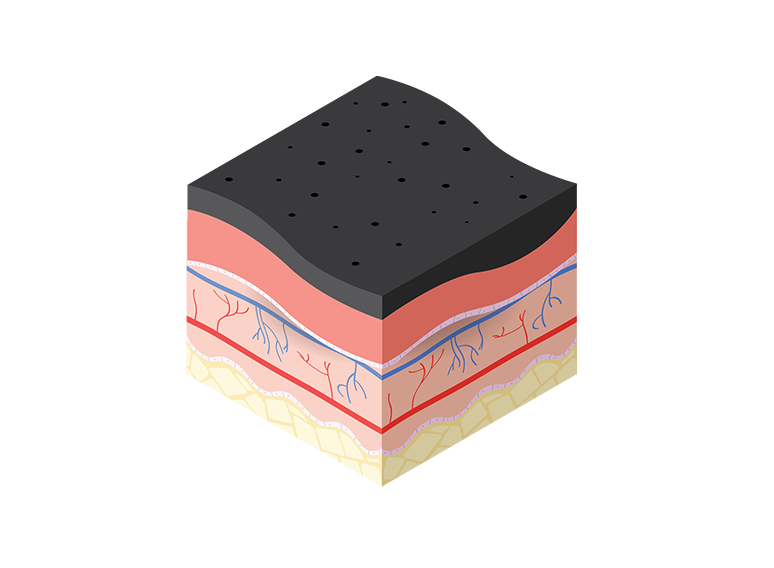
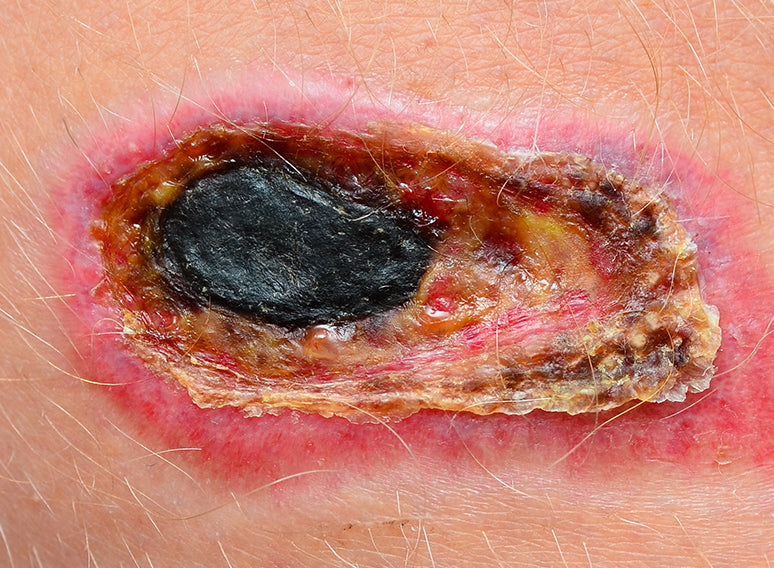
Necrotic tissue is dead or devitalized non-viable tissue which impedes wound healing. The typical black, dry and leathery covering over the wound bed, which has been starved of oxygen through a lack of blood supply, is known as Eschar.
The presence of necrotic material within the wound can delay healing and provide an environment for infection¹.
Treatment aims
Necrotic tissue must be removed by debriding the wound to allow new tissue to form and cover over the wound bed, prompting granulation and to decrease wound bioburden. Find out more about the different debridement methods here.
Recommended dressings
Medical-grade Manuka honey is available as a gel or an alginate dressing to support wound bed preparation at every stage of healing.
View our Manuka honey range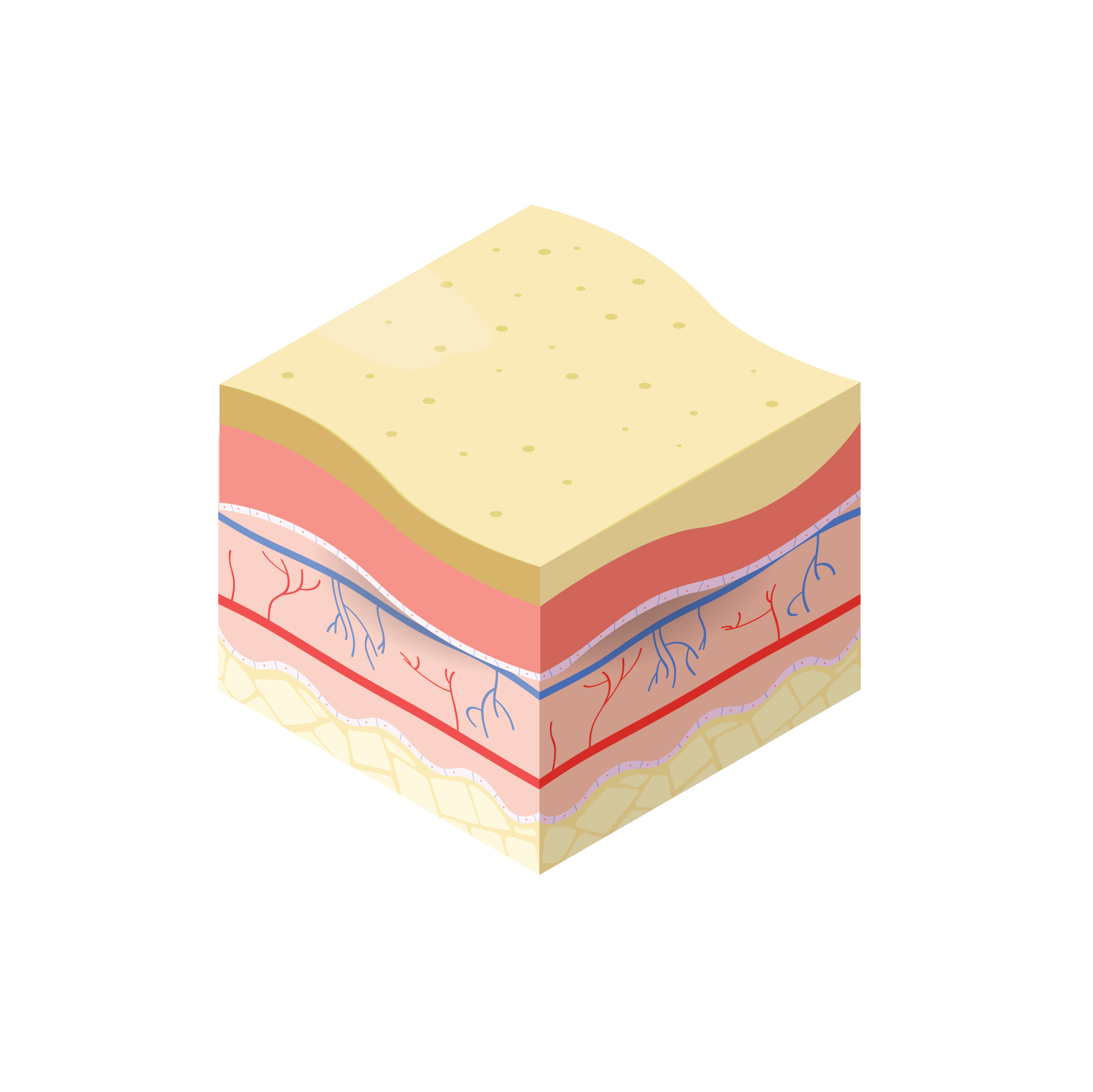
Wound Guide
What is a Sloughy Wound?
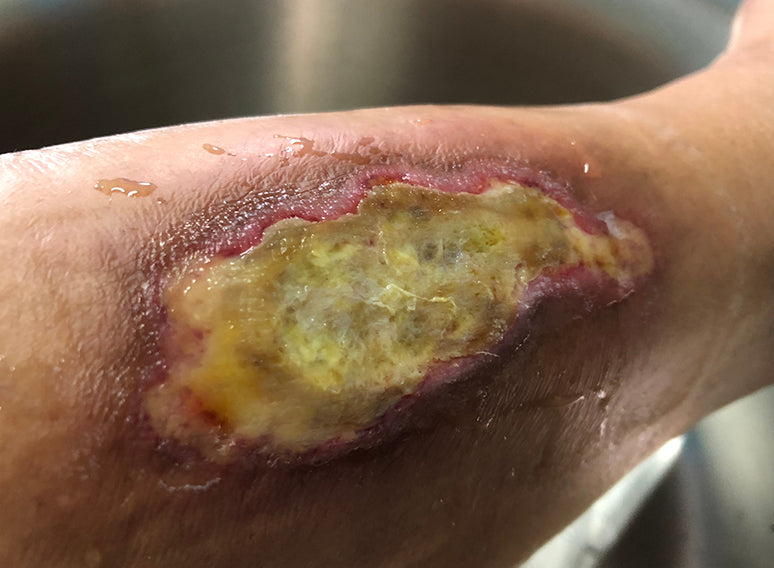
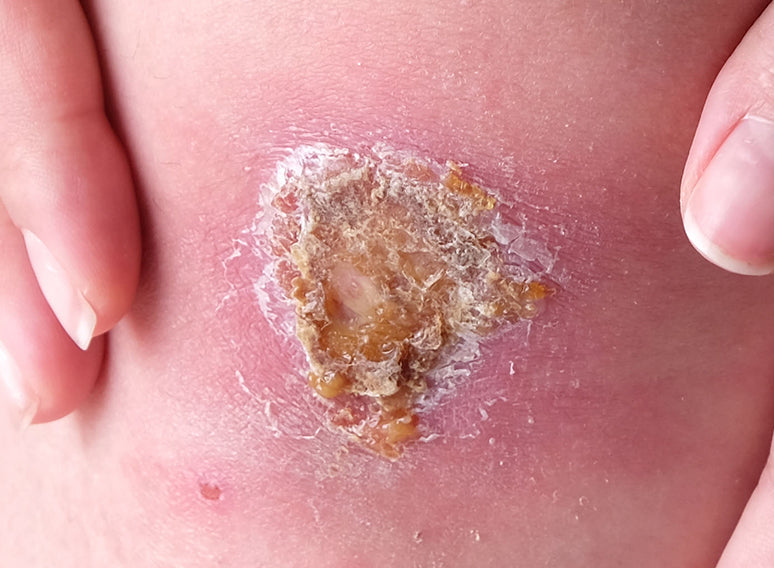
Slough refers to the yellow/white material in the wound bed; it is usually wet, but can be dry, and generally has a soft texture. It can be thick and adhered to the wound bed, present as a thin coating, or patchy over the surface of the wound.
Slough consists of dead cells that accumulate in the wound exudate. During the inflammatory stage of healing, neutrophils congregate at the wound site to fight infection and clear away debris and devitalized tissue. They will often die faster than they can be removed by the macrophages and so accumulate in the wound as slough.
The presence of slough can have several different outcomes:
• Prolonging the inflammatory response
• Attracting bacteria to the wound
• Increased odour and exudate
• Preventing the wound from progressing through the wound healing process.
Treatment aims
Wounds should be desloughed to avoid infection, remove devitalized tissue and promote autolysis. The wound should be rehydrated and exudate controlled to prepare the wound bed for healing. As a guide, if the wound has dry adherent slough on the wound bed, a dressing that will donate moisture should be selected. If the wound is sloughy and exudating, then a dressing that is absorbent enough exudate to minimize the risk of peri-wound maceration should be selected.
Recommended dressings
Medical-grade Manuka honey is available as a gel or an alginate dressing to support wound bed preparation at every stage of healing.
View our Manuka honey range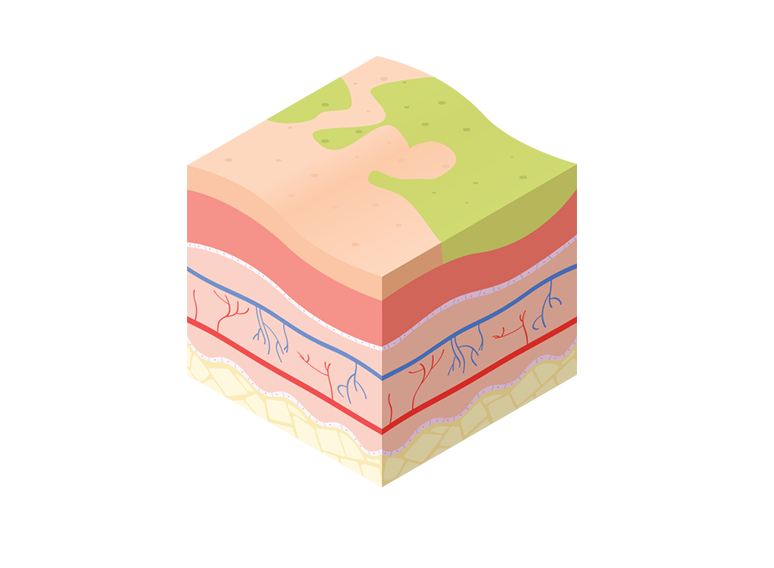
Wound Guide
What is an Infected Wound?
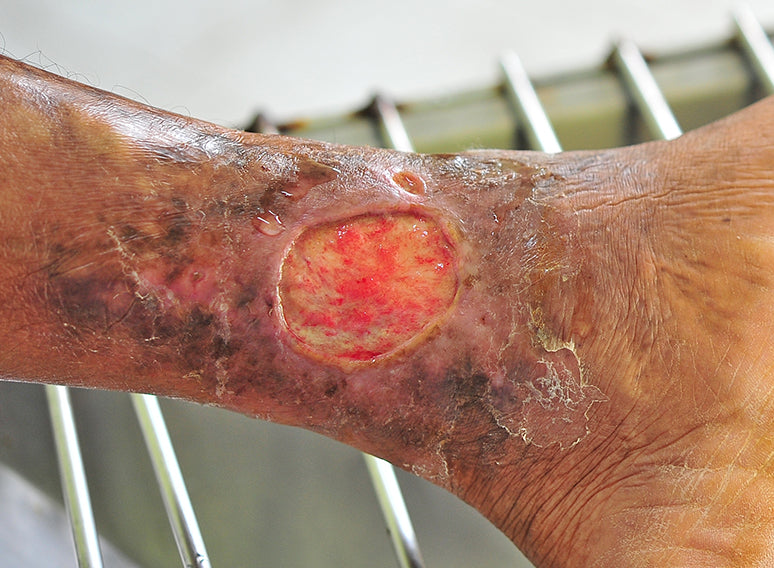
Infection can develop in any type of wound and is usually accompanied by pain, inflammation, oedema, odor, swelling or increased exudate. Left untreated the infection can spread, becoming a more severe systemic infection requiring medical intervention
The most severe local complication of an infected wound is stalled wound healing, resulting in a non-healing wound. This often results in significant pain and discomfort and is detrimental to the psychological well-being of the patient. More serious systemic complications can include cellulitis, osteomyelitis or septicaemia.
Treatment aims
Localized infections in a wound can often be treated with topical antibiotics. Debridement may also be necessary to remove any slough and devitalized tissue, which can slow wound healing and can affect the efficacy of topical antibiotics. Antimicrobial dressings can also be used to help reduce bioburden.
Recommended dressings
Medical-grade Manuka honey is available as a gel or an alginate dressing to support wound bed preparation at every stage of healing.
View our Manuka honey range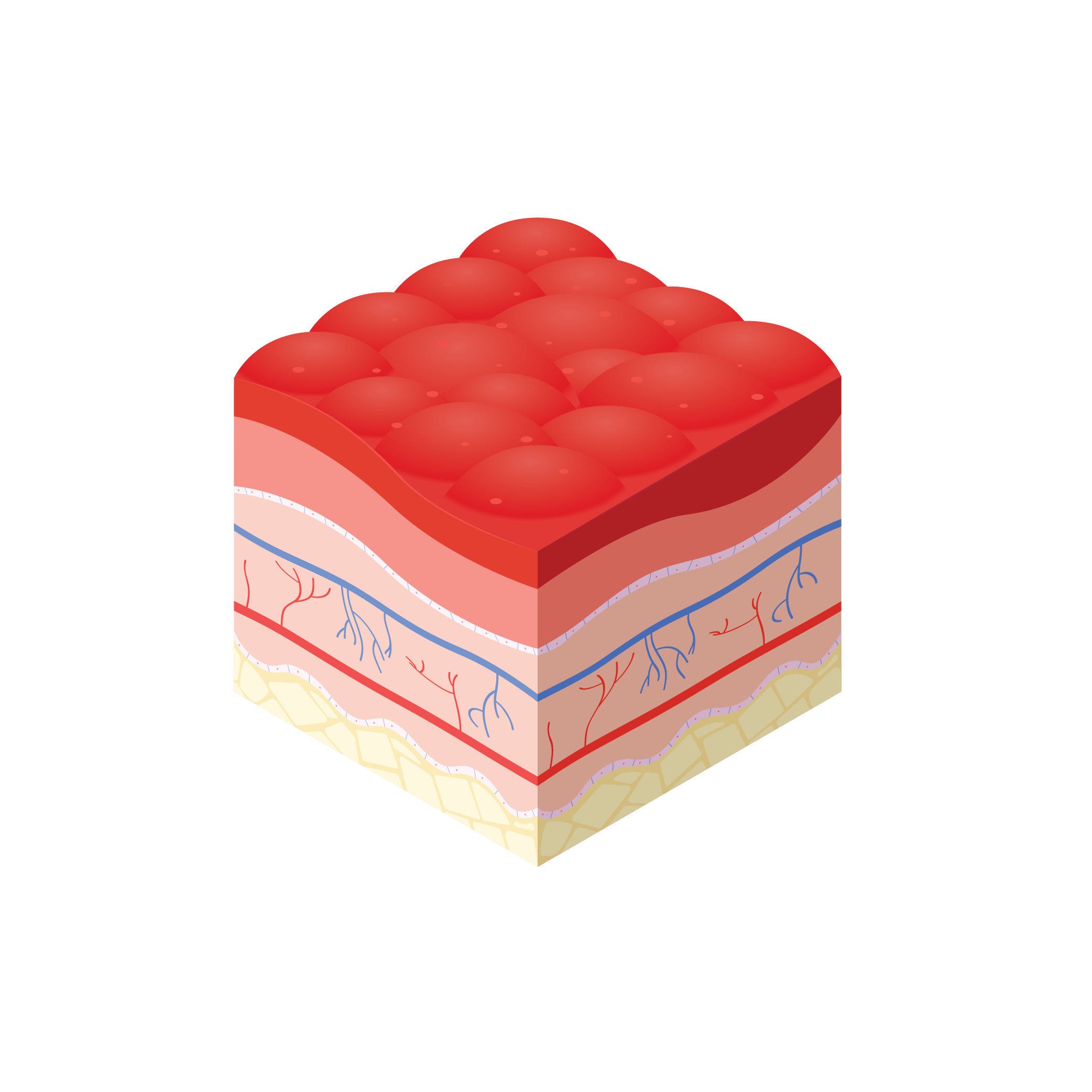
Wound Guide
What is a Granulating Wound?
Granulation describes the appearance of the red, bumpy tissue in the wound bed as the wound heals. This bumpy appearance is the visible tops of the new capillary loops as a new vascular supply develops to serve the newly forming tissue with oxygen and nutrients. ¹
Changes to the normal bumpy, moist and bright red granulation tissue can indicate underlying problems. If granulation tissue develops to the extent that it sits proud of the surrounding skin, this is known as hypergranulation, or overgranulation, tissue.
Treatment aims
The aim of treatment should be to promote a warm, moist environment through the balanced control of exudate.
Recommended dressings
Medical-grade Manuka honey is available as a gel or an alginate dressing to support wound bed preparation at every stage of healing.
View our Manuka honey range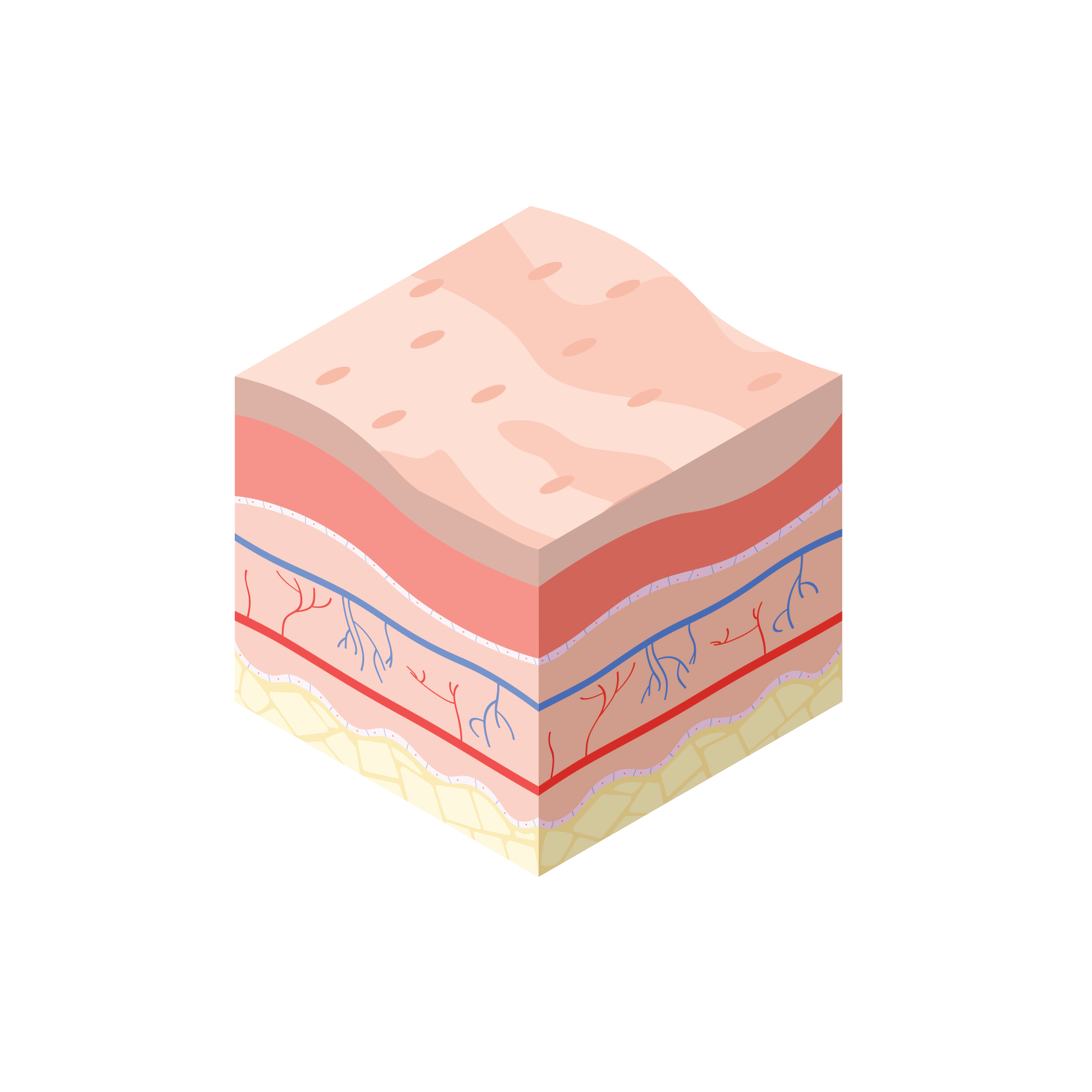
Wound Guide
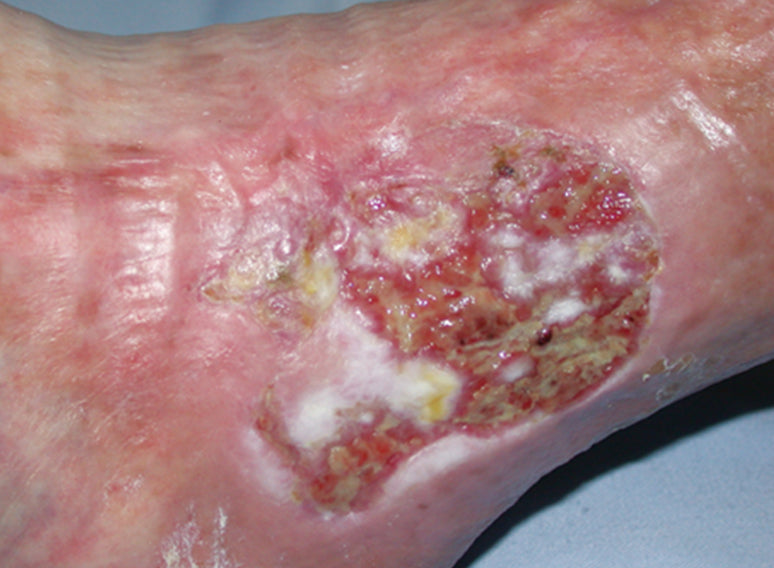
What is an Epithelialising Wound?
Epithelialization is the final stage of wound healing and is pink/white in colour.It is the final stage of wound healing and only occurs on top of healthy granulation tissue. During epithelialization, growth factors stimulate the proliferation of new cells and their migration across the wound. Once they cover the wound surface and meet, they stop dividing - known as contact inhibition. The wound surface is covered by new epithelium and the barrier function of the skin is now restored.
Treatment aims
Care is needed when cleansing the wound and when removing dressings. Strong adhesives should be avoided to prevent skin stripping and shearing damage. Treatment of epithelializing wounds requires the creation of a warm, moist environment¹. It is important not to allow the wound to dry out, as the epithelial cells will have to burrow deeper underneath the scab to close the wound, and this will prolong healing and result in a less cosmetically acceptable appearance².
Recommended dressings
Medical-grade Manuka honey is available as a gel or an alginate dressing to support wound bed preparation at every stage of healing.
View our Manuka honey range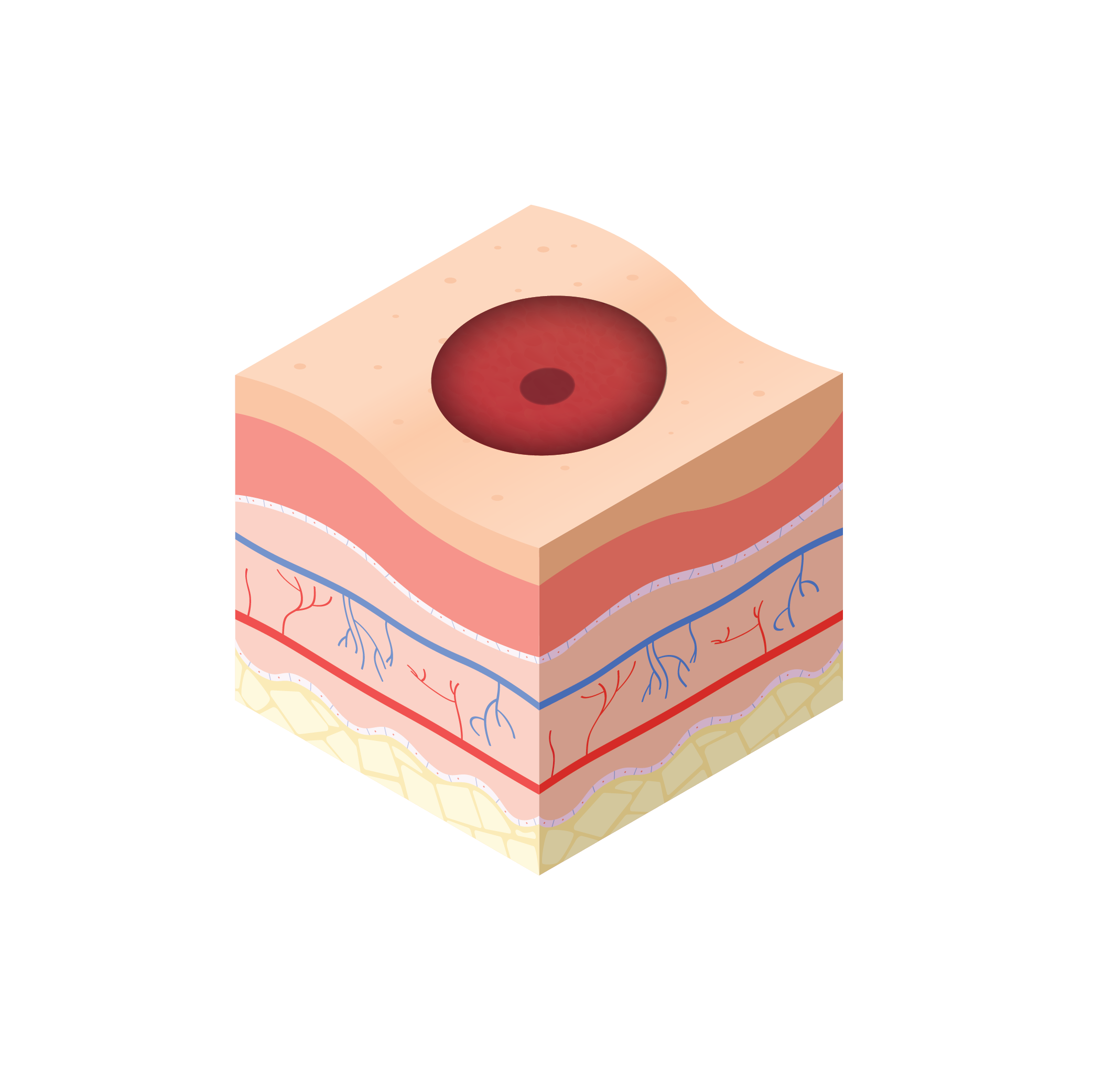
Wound Guide
What is a Cavity Wound?
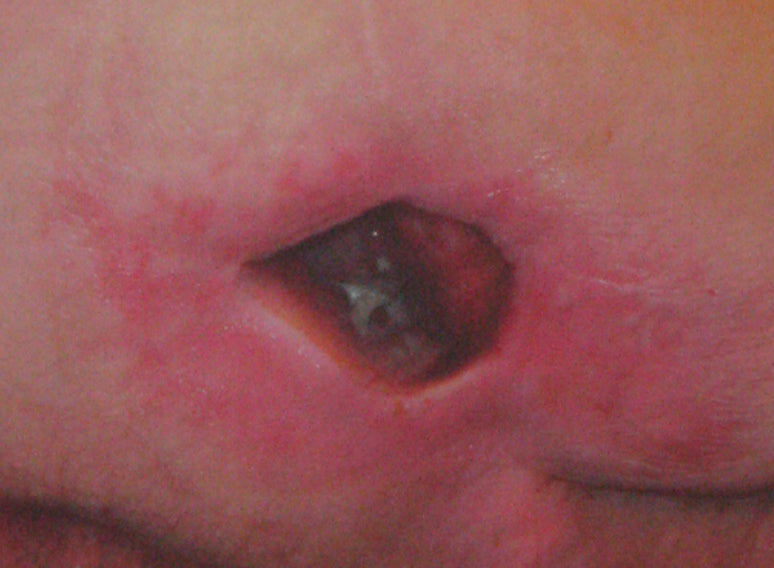
There is a lack of standardized definition for cavity wounds which can prevent the delivery of evidence-based care. Cavity wounds have been defined as ranging from a relatively shallow cavity wound of less than 2cm to wounds that are more than 2cm deep¹, deep wounds that expose underlying structures such as fascia, tendons, muscle and bone², and more recently a wound that extends beneath the dermis³.
The management of cavity wounds frequently pose a number of clinical and practical challenges to healthcare professionals. They often need debridement, in addition to biofilm, infection and exudate management. The hidden nature of some cavities can present practical challenges in terms of visualizing and managing the wound bed, and documenting the wound’s condition, and may therefore require adaptation of the approaches used for non-cavity wounds⁴.
Treatment aims
The aims of treatment for a cavity wound include wound debridement where applicable, maintaining a moist wound environment by ensuring dressing materials are absorbent and conform to the cavity contours, exudate management, periwound skin protection, pain free application and removal and prevention of infection. ⁵ ⁶ ⁷
Recommended dressings
Medical-grade Manuka honey is available as a gel or an alginate dressing to support wound bed preparation at every stage of healing.
View our Manuka honey range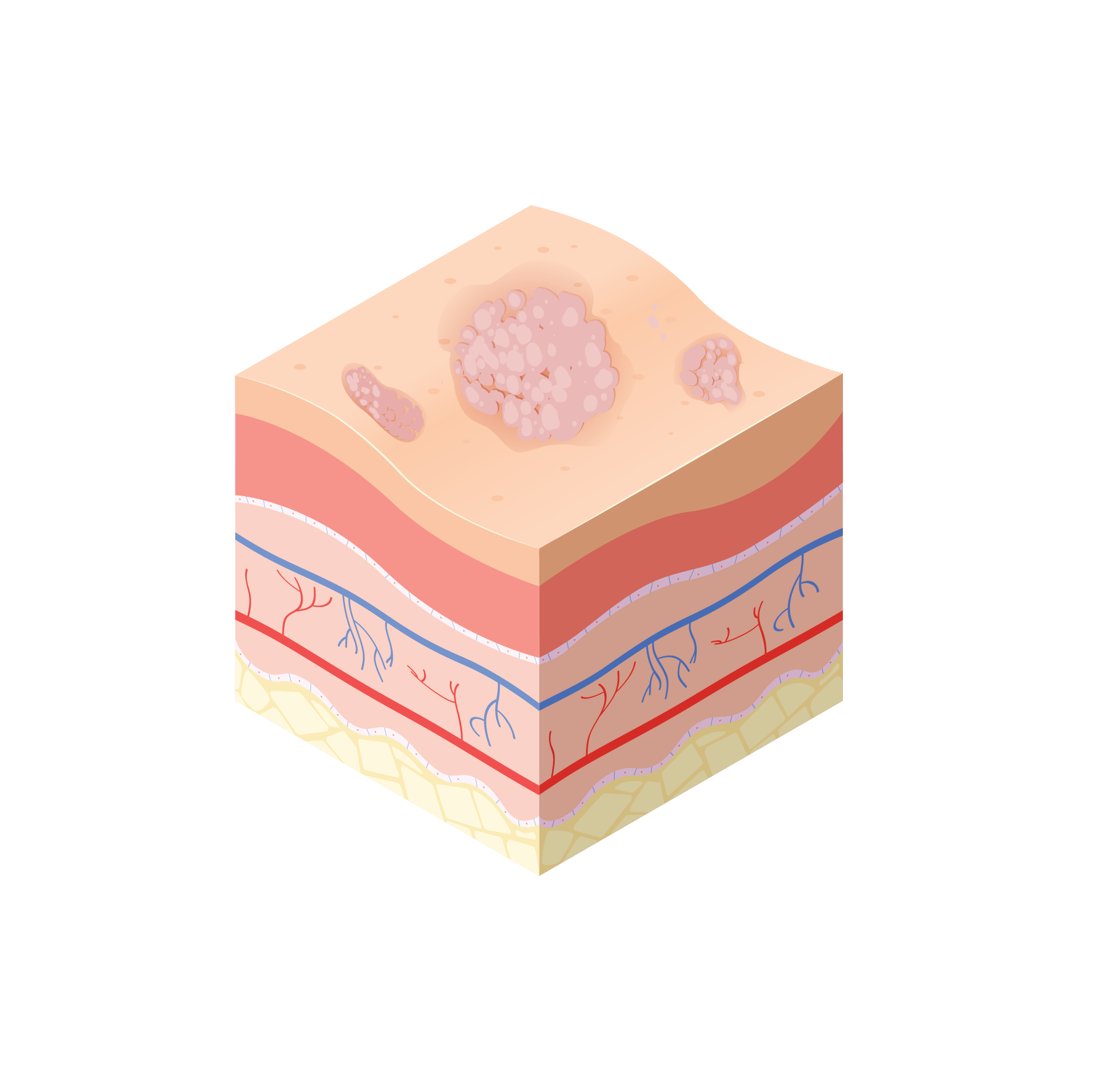
Wound Guide
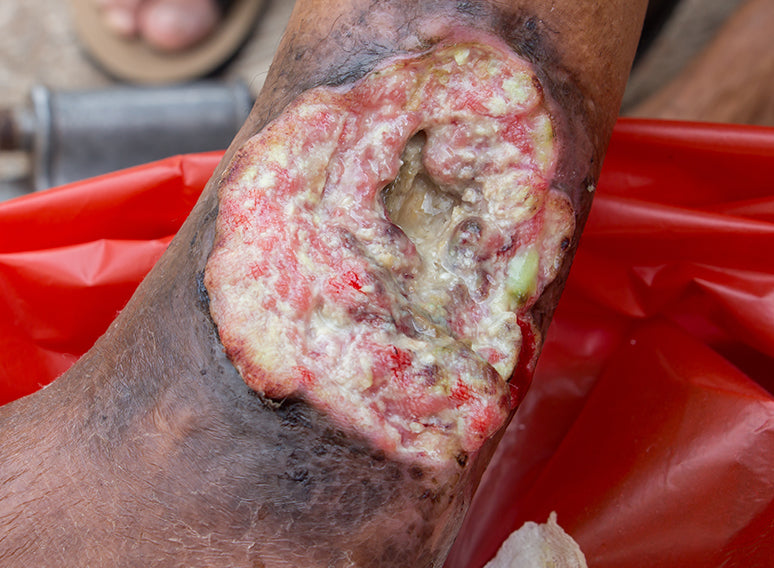
What is a Fungating Wound?
Fungating wounds are a complication of cancer which develop when cancer that is growing under the skin breaks through the skin and creates a wound.
They are caused by the infiltration of the skin and its supporting blood and lymph vessels by a local tumor or result from metastatic spread from a primary tumor. They can be painful, produce high levels of exudate, cause bleeding and be malodorous. Other problems include the presence of necrotic tissue, which predisposes the wound to infection. Uncontrolled heavy exudate produced by a fungating wound can also damage the surrounding skin.
Treatment aims
The objective of wound care for fungating wounds is management, rather than healing. This can be complex. Fungating wounds are prone to bleeding, which can occur more often during dressing changes so non-adherent dressings should be used to minimize pain and trauma. For this reason, the wound should be gently cleansed avoiding methods that can be uncomfortable for the patient. To avoid maceration of the skin surrounding the wound, a suitably absorbent dressing should be selected if the wound is highly exuding.
Malodor can have a devastating effect on a patient’s psychological and social well-being, so should be managed with products that can reduce this to allow the patient to live as normal a life as possible.
Recommended dressings
Medical-grade Manuka honey is available as a gel or an alginate dressing to support wound bed preparation at every stage of healing.
View our Manuka honey range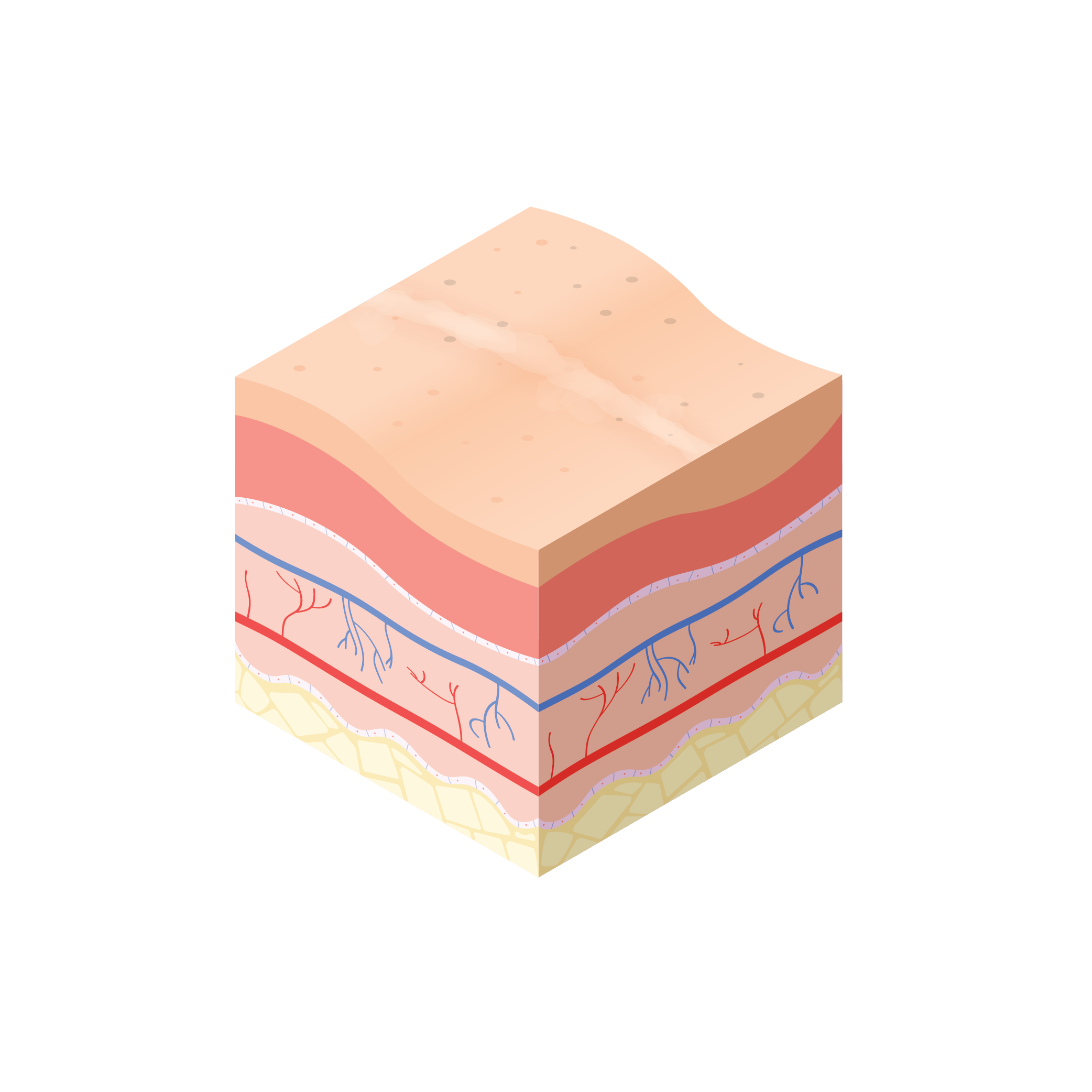
Wound Guide
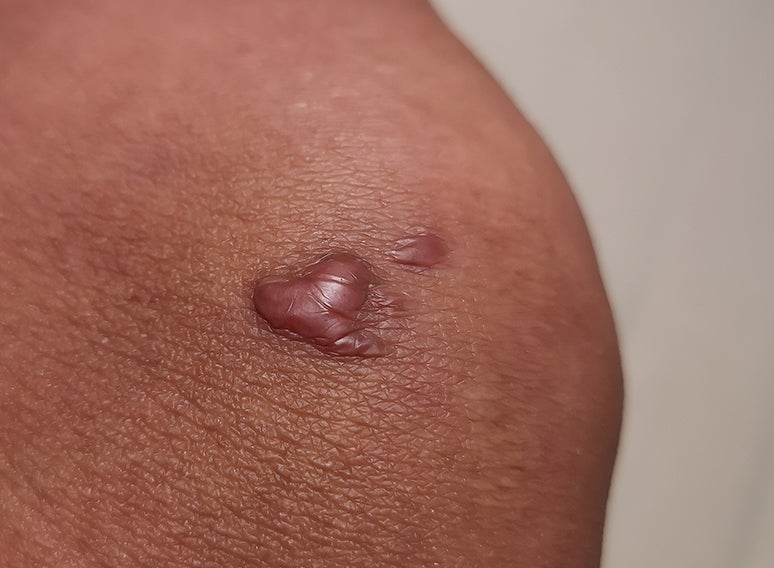
What is a Scar?
A scar is a mark left on the skin after a wound or injury has healed. It is the body's natural way of healing and replacing lost or damaged skin, and is usually composed of fibrous tissue.
Scars may be formed for many different reasons, including as a result of infections, surgery, injuries, or inflammation of tissue. A scar is It may appear flat, lumpy, sunken, or colored.
There are different types of scars:
• Keloid scars. These scars are the result of an overly aggressive healing process. They extend beyond the original injury. Over time, a keloid scar may hamper movement.
• Contracture scars. If your skin has been burned, you may have a contracture scar. These scars tighten skin, which can impair your ability to move. Contracture scars may also go deeper, affecting muscles and nerves.
• Hypertrophic scars. These are raised, red scars that are similar to keloids but do not go beyond the boundary of the injury.
Treatment aims
For Keloid and Hyperthrophic scars, silicone sheets may help to flatten the scar, these can b applied both during the healing process to reduce the risks of scarring or after to reduce the symptoms.
Recommended dressings
Medical-grade Manuka honey is available as a gel or an alginate dressing to support wound bed preparation at every stage of healing.
View our Manuka honey range